
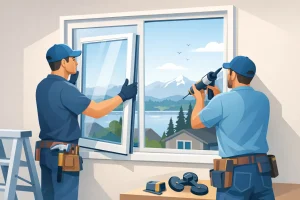
A drafty living room in January or a bedroom that overheats in August usually points to the same issue – windows that are no longer doing their job. For homeowners looking into window installation Everett WA, the goal is not just a better-looking house. It is better comfort, lower energy loss, improved function, and stronger protection against Pacific Northwest weather.
In Everett and across Snohomish County, windows take a steady beating from rain, wind, moisture, and seasonal temperature swings. That wear does not always show up as a cracked pane. Sometimes it starts with condensation between glass layers, frames that stick, soft trim from moisture intrusion, or rooms that never seem to stay comfortable. A quality installation addresses those problems at the source.
Why window installation matters in Everett WA
Local weather shapes the conversation. In a drier climate, old windows might be mostly an efficiency issue. Here, they can also become a moisture and maintenance problem. When seals fail or frames deteriorate, water can work its way into surrounding materials. That can affect trim, drywall, paint, and in some cases the framing around the opening.
That is why window replacement should never be treated as a simple cosmetic upgrade. The glass matters, but the installation details matter just as much. A good result depends on accurate sizing, proper flashing, careful sealing, and a clean fit that keeps out air and water.
For many homeowners, new windows also improve day-to-day livability. Rooms feel quieter. Windows open and close the way they should. Cleaning gets easier. Natural light improves without the constant reminder of fogged glass or worn-out frames.
Signs it may be time for window installation in Everett WA
Some windows make the decision easy. If a frame is visibly rotting, a sash will not stay open, or insulated glass has failed, replacement is often the smarter long-term choice. Other situations are less obvious.
If you notice cold drafts near closed windows, rising heating and cooling bills, condensation between panes, or peeling paint around the interior trim, it is worth taking a closer look. Difficulty locking the window is another sign. That can point to warping, shifting, or age-related wear that affects both performance and security.
Older homes in Everett may also have windows that simply do not match current expectations for efficiency and comfort. That does not mean every old window has to go immediately. In some homes, replacing the worst-performing units first makes sense. In others, a full-house approach is more practical because it creates a consistent look and avoids repeated labor over time.
Repair or replace? It depends on the condition
Not every window problem calls for full replacement. A minor issue with trim, caulking, or hardware can sometimes be repaired. If the frame is structurally sound and the problem is limited, repair may buy more time.
But once moisture damage reaches the frame, the glass seal has failed, or the window no longer operates properly, replacement is often the better investment. Paying for repeated small fixes on a window that is already near the end of its service life usually does not save money.
This is where an honest assessment matters. Homeowners need a contractor who will look at the condition of the window and the surrounding area, not just push the biggest job possible. In many cases, the right answer is based on age, damage, energy performance, and whether the existing unit can still protect the opening the way it should.
What affects cost and value
Window pricing depends on more than size alone. The style of the window, frame material, glass package, accessibility, and the condition of the existing opening all affect the final number. A simple replacement in a sound opening costs less than a project that reveals hidden water damage or requires trim and framing repairs.
That is why low advertised prices can be misleading. A window is only part of the job. Removal, disposal, fitting, insulation, sealing, finish work, and weather protection all matter. If any of those steps are rushed, the long-term value drops fast.
The best way to think about cost is in terms of performance over time. A well-installed window can reduce drafts, support energy efficiency, lower maintenance needs, and help protect nearby materials from moisture. Those benefits have real value, especially in a climate where homes are exposed to wet conditions for much of the year.
Choosing the right window style for your home
There is no one-size-fits-all answer. The right style depends on the room, the home’s layout, ventilation needs, and budget. Double-hung windows are popular because they are familiar and versatile. Casement windows often seal tightly and can work well where airflow matters. Sliding windows can be a practical choice for wider openings and areas with limited exterior clearance.
Picture windows bring in light and views but do not open, so they are best where ventilation is less important. In some homes, mixing styles creates the best result. A living room may benefit from a large fixed center window with operable units on the sides, while bedrooms and bathrooms may call for different priorities.
Frame material matters too. Vinyl remains a common choice because it is cost-effective and low maintenance. Other materials may offer a different look or structural benefits, but homeowners should weigh appearance, upkeep, and budget together rather than focusing on one feature alone.
Why installation quality matters as much as the window itself
A good window installed poorly can still fail. That is one of the biggest frustrations homeowners face after investing in a replacement project. The product may be solid, but if the opening is not prepared correctly or the sealing is incomplete, drafts and moisture problems can continue.
Proper installation starts with careful measurement and removal. From there, the opening should be inspected for signs of damage, movement, or moisture intrusion. If underlying issues are ignored just to speed up the project, the new window may not perform the way it should.
The final fit needs to be tight, level, and sealed correctly for local conditions. Interior and exterior finishing should look clean, but appearance is only part of it. The real test is whether the window operates smoothly and protects the home from air and water infiltration.
That practical focus is what homeowners should expect from a dependable local contractor. At JHL Solution LLC, the goal is not just to swap out a unit and move on. It is to install windows with the kind of workmanship that supports comfort, durability, and peace of mind.
What to expect during the project
For most homeowners, the process starts with evaluating the windows you have now and discussing what you want to improve. Sometimes the priority is energy efficiency. Sometimes it is appearance, ventilation, or replacing units that no longer open safely.
After measurements and product selection, installation day usually involves removing the old window, preparing the opening, setting the new unit, sealing it properly, and completing trim or finish work as needed. The timeline depends on how many windows are being replaced and whether hidden issues appear once the old units come out.
A professional approach also includes keeping the work area controlled and communicating clearly if conditions inside the wall change the scope. Older homes can hold surprises. Rot, previous patchwork, or moisture damage may need to be addressed before the new window is fully secured. That can affect timing, but it is better handled immediately than covered up.
A local approach makes a difference
Everett homes are not all built the same, and neither are the maintenance challenges that come with them. Some neighborhoods have older homes with aging wood components. Others have newer construction where builder-grade windows may already be showing wear. Coastal influence, rain exposure, and shade patterns can all affect how windows age.
Working with a contractor who understands local conditions helps homeowners make better decisions. The recommendation for one property may not be right for another. A front-facing window exposed to weather may need different attention than a protected backyard opening. That kind of practical judgment matters more than a generic sales pitch.
If you are considering window installation, the best next step is to focus on the problems you want solved – drafts, moisture concerns, difficult operation, outdated appearance, or rising utility costs. The right installation should improve how your home feels every day, not just how it looks from the street.
When windows are installed with care, they do more than update a house. They help protect the investment you already have and make your home more comfortable through every wet, windy Everett season.
Leave a Reply