
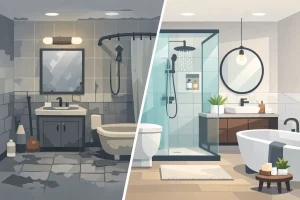
A bathroom can look clean and still fall short every morning. Dim lighting, a cramped vanity, poor ventilation, worn finishes, and a tub that no one enjoys using all add friction to a routine that should be simple. A well-planned bathroom remodel before and after is not just a cosmetic change. It is a practical improvement in comfort, function, moisture protection, and long-term home value.
For homeowners in Everett and throughout Snohomish County, the best remodels address what is behind the walls as carefully as what is visible. Pacific Northwest moisture, aging plumbing, and years of daily use can turn a minor-looking issue into a larger repair if it is ignored. The goal is a bathroom that looks finished, works reliably, and holds up to real life.
What Changes in a Bathroom Remodel Before and After
The most successful before-and-after results are easy to feel, even when the room is not dramatically larger. The vanity has enough usable counter space. Towels, toiletries, and cleaning supplies have a place to go. The shower is easier to enter and clean. Lighting makes grooming more comfortable, and the space no longer feels dark, dated, or difficult to maintain.
In many older homes, the “before” condition includes several small problems working together: a builder-grade vanity, a low mirror, limited outlets, poor airflow, cracked caulk, and flooring that has seen better days. Replacing only one surface may make the room look fresher, but it may not solve the everyday frustrations that led to the project.
The “after” should be built around how the household uses the room. A busy family may benefit most from durable flooring, a double vanity, stronger ventilation, and easy-clean shower surfaces. A homeowner planning to age in place may prioritize a curbless or low-threshold shower, secure grab-bar backing, brighter lighting, and wider clearances. A rental property may call for dependable, attractive materials that are practical to repair and maintain.
Start With the Problems You Want to Eliminate
Before choosing tile colors or fixtures, make a short, honest list of what is not working. This keeps the project focused when design decisions start to add up.
Ask whether the room has enough storage, whether the current layout creates bottlenecks, and whether there are signs of water damage around the toilet, tub, shower, or vanity. Notice how the room feels at different times of day. If the mirror is shadowed, the exhaust fan is loud but ineffective, or the shower takes too long to warm up, those details deserve attention in the remodel plan.
Water-related concerns should always move to the front of the conversation. Soft flooring near a toilet, peeling paint, swollen baseboards, loose tile, recurring mildew, or staining on a ceiling below the bathroom can point to a leak or moisture problem. A beautiful new vanity cannot protect the home if the plumbing connections or waterproofing behind it need repair.
Layout: Keep What Works, Change What Does Not
Moving plumbing can create a major transformation, but it also increases cost and complexity. Keeping the toilet, shower, and vanity near their existing locations is often the efficient choice when the current layout is workable. That budget can then go toward better materials, improved storage, lighting, and moisture protection.
Sometimes a layout change is worth it. Replacing an oversized tub with a walk-in shower can make a small bathroom feel more open and usable. Shifting a vanity can improve door clearance. Reconfiguring a hall bathroom may create room for a larger shower or linen storage. The right decision depends on the room’s structure, plumbing access, household needs, and budget.
A good remodel does not chase square footage at any cost. It makes the available space work harder without making the room feel crowded.
The Details That Make the After Last
A bathroom is one of the hardest-working rooms in a home. Materials need to look good, but they also need to handle humidity, splashes, cleaning products, and constant traffic. Durable choices usually pay off over time, especially in a main bathroom used by several people.
Porcelain or ceramic tile remains a practical option for shower walls and floors when installed correctly. For flooring, slip resistance matters as much as appearance. Large-format tile can create a clean look with fewer grout lines, though it may not be ideal for every small floor because proper slope and cuts still matter. Luxury vinyl flooring can be a sensible choice in some bathroom updates, provided the subfloor is sound and the product is suited for wet areas.
The shower deserves particular attention. Tile, grout, and glass are the finished surfaces homeowners see, but waterproofing behind them is what protects the structure. Proper preparation, careful transitions, correctly sealed penetrations, and a shower floor that drains as intended are not optional details. They are the difference between a remodel that lasts and one that develops hidden damage.
Ventilation is another investment that is easy to overlook. A properly sized, properly vented exhaust fan helps clear moisture after showers and protects paint, trim, and finishes. It is especially valuable in bathrooms without windows or in households where the bathroom gets heavy daily use.
Lighting and Storage Change the Daily Routine
Many older bathrooms rely on one ceiling fixture, which creates shadows at the mirror and makes the entire room feel less inviting. Layered lighting produces a much better result. General overhead light brightens the room, while lighting at or near the mirror improves visibility for shaving, makeup, skincare, and other daily tasks.
Storage should be planned before the vanity is ordered. Deep drawers often make better use of space than a basic cabinet with one shelf. A recessed medicine cabinet can add useful storage without taking up room. Shower niches keep bottles off the floor, but their placement should fit the users and avoid interfering with plumbing or waterproofing details.
Small upgrades can have an outsized effect: a comfort-height toilet, a quiet exhaust fan, a handheld showerhead, a larger mirror, more accessible outlets, and towel storage near the shower. These choices may not be the first features guests notice, but they are often what homeowners appreciate most six months after the project is complete.
Budget for the Work You Cannot See
Bathroom remodeling costs vary because bathrooms vary. The finish level matters, but so do demolition needs, plumbing changes, electrical upgrades, structural repairs, tile complexity, fixture selection, and water damage discovered after surfaces are removed.
A realistic budget includes a contingency for older homes. Once a tub surround, vanity, or floor comes out, it may reveal damaged subflooring, outdated plumbing, weak framing, or previous work that needs correction. Not every project uncovers these issues, but planning for the possibility helps prevent rushed decisions later.
It is also useful to separate needs from preferences. Repairing a leak, correcting an unsafe electrical issue, improving ventilation, and rebuilding a compromised shower are needs. A premium fixture finish, heated floor, or custom glass enclosure may be worthwhile preferences, but they should not take funding away from the work that protects the home.
How to Read Before-and-After Photos Carefully
Before-and-after photos are helpful for seeing design direction, but they do not tell the whole story. Look beyond the new tile and paint. Does the updated room appear to have better lighting, usable storage, thoughtful fixture placement, and clean transitions around the shower and vanity? Does the layout make sense for the size of the room?
A strong project also has details that may not show up in a photo: protected surrounding areas during construction, careful demolition, secure plumbing connections, proper ventilation, and clean finishing work. Homeowners should feel comfortable asking how moisture protection, drainage, and any repairs behind the walls will be handled.
For a bathroom remodel, the best result is not always the most dramatic one. Sometimes it is a modest, well-executed update that turns an awkward bathroom into a room that feels reliable every day.
A Better Bathroom Starts With a Clear Plan
The right remodel balances appearance with the way your household lives. It should fit your home, respect your budget, and address maintenance concerns before they become larger repairs. Whether the goal is a more functional family bathroom, a safer shower, or a refreshed space before selling, careful planning is what makes the after worth the investment.
JHL Solution LLC helps homeowners approach bathroom improvements with practical workmanship and attention to the details that support lasting results. Start by identifying what needs to work better, then build the design around that answer. A bathroom should make the morning easier, not give you another project to manage.
Leave a Reply